If you are trying to decide between Greenville and Winterville, the good news is that you are not choosing between two far-apart markets. You are really choosing between two different day-to-day living styles in the same Pitt County corridor. That can make the decision feel easier, but it also means the details matter. This guide will help you compare housing, commute patterns, amenities, and overall feel so you can make a confident move plan. Let’s dive in.
Greenville vs. Winterville at a glance
Greenville is the larger city, with an estimated 95,138 residents in 2024 across 36.6 square miles, while Winterville has 10,899 residents across 4.91 square miles, according to the U.S. Census QuickFacts comparison. Winterville describes itself as immediately south of Greenville, so these two places function closely together for many buyers.
That is why this comparison usually comes down to lifestyle. Greenville is the more urban center, with city-scale services, amenities, and a wider mix of housing. Winterville offers a more consistently suburban setting with a smaller-town feel and quick access back into Greenville.
Housing choices feel different
Greenville offers more housing variety
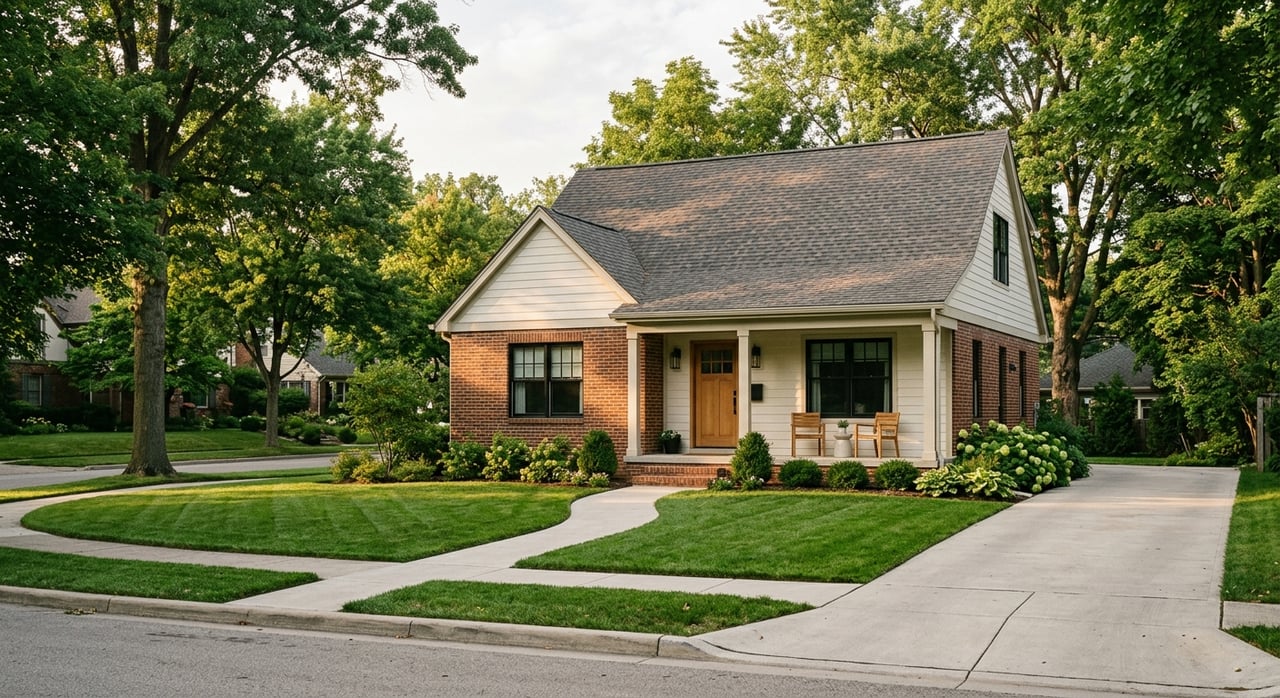
If you want more options, Greenville usually gives you a broader starting point. City planning materials show a mix of medium-density residential, office and institutional and multi-family uses, plus some high-density residential, which points to more apartments, townhomes, and infill-style housing opportunities in the market.
That flexibility matters if your priorities include rental options, lower-maintenance living, or a wider range of price points and home styles. Greenville is also working to expand affordable housing supply through its 50-in-10 housing initiative.
Winterville leans suburban and detached
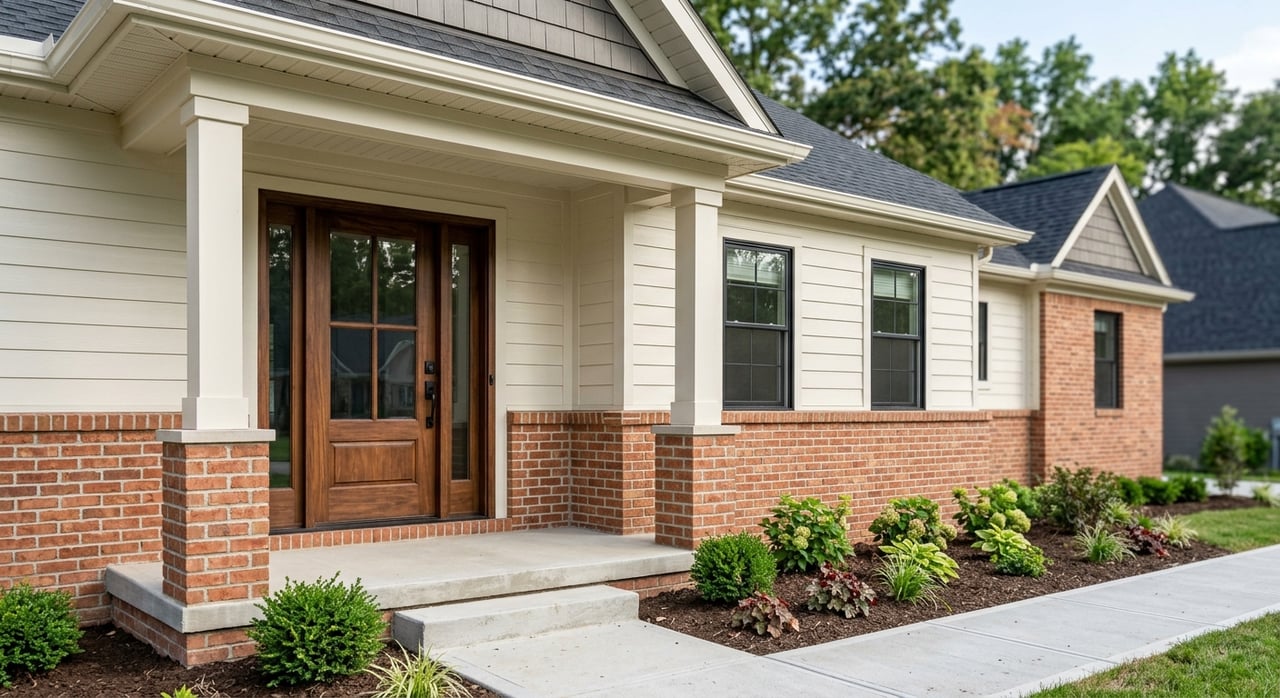
Winterville’s planning documents paint a clearer picture of a detached-home market. The town’s land-use policies describe suburban residential areas as larger-lot, single-family detached development, generally around 1 to 3 units per acre, and the adopted land-use plan notes that most residential structures are single-family detached homes.
That can be a strong fit if you picture a more traditional suburban home setting. Winterville’s own land-use plan also notes that detached homes made up 86% of the housing stock and that limited housing diversity has been a concern.
Cost is not as simple as many buyers think
A lot of buyers assume Winterville is automatically the lower-cost option. The data does not fully support that.
According to Census QuickFacts, Greenville has a median owner-occupied home value of $233,500 and median gross rent of $1,007. In Winterville, the median owner-occupied home value is $245,100 and median gross rent is $1,534.
That does not mean every Winterville home costs more. It does mean you should avoid treating Winterville as the budget default. In many cases, you are paying for a more owner-occupied, detached-home-oriented housing mix rather than a lower price point.
Property taxes also deserve a closer look
Carrying costs can affect your monthly budget just as much as your purchase price. Winterville’s 2025 to 2026 budget comparison shows a property tax rate of 0.45 per $100 in Winterville versus 0.3954 per $100 in Greenville. On a $150,000 home, the example annual bill is $1,613.70 in Winterville compared with $1,442.55 in Greenville, based on the town’s budget comparison table.
That is an important reminder to compare the full monthly picture, not just list prices. If you are planning to buy and sell at the same time, those numbers can shape what feels comfortable and sustainable.
Commute and transportation can tip the scale
Greenville has stronger transit access
Greenville has the more developed transit network. The city operates GREAT, a six-route fixed bus system, and the G.K. Butterfield Transportation Center connects GREAT with ECU Transit, Pitt Area Transit System, Greyhound, and Amtrak.
Pitt County says PATS serves residents outside Greenville’s city limits, including Pitt Community College students, with scheduled curb-to-curb service. Even so, Winterville does not have a comparable fixed-route city system, so daily life there will often feel more car-oriented.
Average travel times are slightly shorter in Greenville
Commute data also leans a bit toward Greenville. Census figures show a mean travel time to work of 18.8 minutes in Greenville compared with 20.6 minutes in Winterville.
That difference is not huge, and your actual drive will depend on where you live and work. Still, it supports the bigger pattern: Greenville’s more centralized job and service network may offer a small convenience advantage for some households.
Amenities depend on how you like to spend your time
Greenville offers more city-scale amenities
If you want more built-in activity, Greenville has the deeper amenity base. The city highlights its uptown district, annual events like PirateFest and Freeboot Friday, river access, about 9 miles of greenways, and nearly 30 public parks and recreation facilities on its Our City page.
Greenville also includes major public amenities like the Aquatics & Fitness Center, River Park North, Bradford Creek Public Golf Course, and several recreation centers. River Park North spans 324 acres, and Wildwood Park covers 364 acres with trails, biking, camping, and water access.
Winterville offers a smaller-scale feel
Winterville’s lifestyle is more neighborhood-scaled. The town maintains Winterville Recreation Park and Hillcrest Park, owns the downtown library, supports a greenway master plan, and hosts signature local events like the Winterville Watermelon Festival.
The town describes itself as combining small-town serenity with nearby Greenville conveniences. If you like the idea of a quieter home base while staying close to a larger city’s services and attractions, that can be appealing.
Education and health anchors serve both areas
For many buyers, Greenville and Winterville function as one daily-use area because key destinations are spread across both towns. Pitt Community College’s main campus is in Winterville, while Greenville includes East Carolina University’s main campus and ECU Health Medical Center and health sciences functions.
That matters because your routine may cross town lines often, no matter where you buy. In practical terms, this is less about choosing one isolated town over another and more about deciding which home setting supports your schedule best.
Who tends to prefer Greenville
Greenville may be the better fit if you want:
- More housing variety, including apartments, townhomes, and infill-style options
- Stronger transit connections and a more centralized layout
- More urban amenities, parks, events, and public facilities
- More rental or entry-level inventory to consider
For buyers who want flexibility, Greenville often gives you more paths forward. That can be especially helpful if you are balancing budget, timing, and lifestyle changes all at once.
Who tends to prefer Winterville
Winterville may be the better fit if you want:
- A more suburban setting with detached homes as the norm
- A smaller-town feel close to Greenville
- A home environment that feels a little quieter day to day
- Quick access to Pitt Community College and the broader Greenville area
Winterville can be a strong choice if your top priority is housing form and neighborhood feel. Just make sure you compare home prices, taxes, and monthly carrying costs carefully instead of assuming it will be the cheaper option.
The best choice starts with your plan
The real question is not whether Greenville or Winterville is better. It is which one fits your next chapter better.
If you want broader housing choices, more city amenities, and easier transit access, Greenville may give you more flexibility. If you want a more consistently suburban environment with quick access to Greenville, Winterville may feel more like home.
A smart move starts with the full picture: budget, commute style, home type, timing, and what you want daily life to feel like after the boxes are unpacked. If you want help comparing your options and building a move plan that fits your goals, connect with Meridith Andrews for a calm, strategic conversation.
FAQs
Is Greenville or Winterville bigger in Pitt County?
- Greenville is much larger, with 95,138 residents in 2024 and 36.6 square miles, while Winterville has 10,899 residents and 4.91 square miles, based on Census estimates.
Is Winterville more affordable than Greenville for homebuyers?
- Not always. Census data shows Winterville’s median owner-occupied home value is slightly higher than Greenville’s, and Winterville’s median gross rent is also higher.
Is Greenville better for commuting and public transportation?
- Greenville has the stronger transit network, including GREAT and connections through the G.K. Butterfield Transportation Center, and it also shows a slightly shorter average commute time in Census data.
Is Winterville more suburban than Greenville?
- Yes. Winterville’s planning documents emphasize larger-lot, single-family detached housing, while Greenville has a wider mix of housing types.
Are Greenville and Winterville close enough to share amenities?
- Yes. Winterville is immediately south of Greenville, and many residents use destinations in both towns for work, recreation, education, and daily errands.
What should buyers compare when choosing Greenville or Winterville?
- Focus on home type, monthly budget, property taxes, commute style, and the kind of day-to-day environment you want, since the two towns offer different living patterns within the same corridor.